

3D Printing at DYNABRIXX – PLA+, ABS, and Precision L-Gauge Model Train Parts
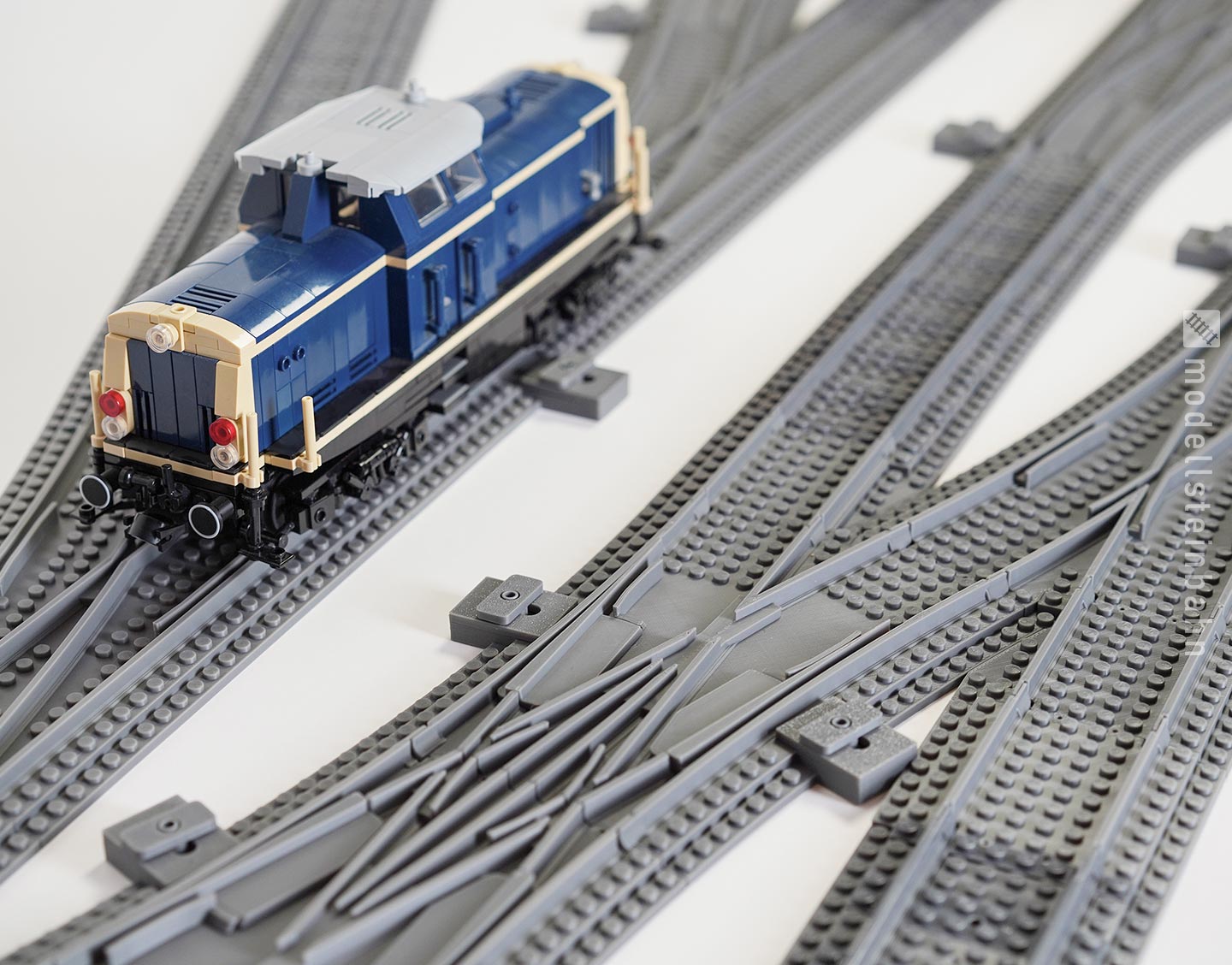
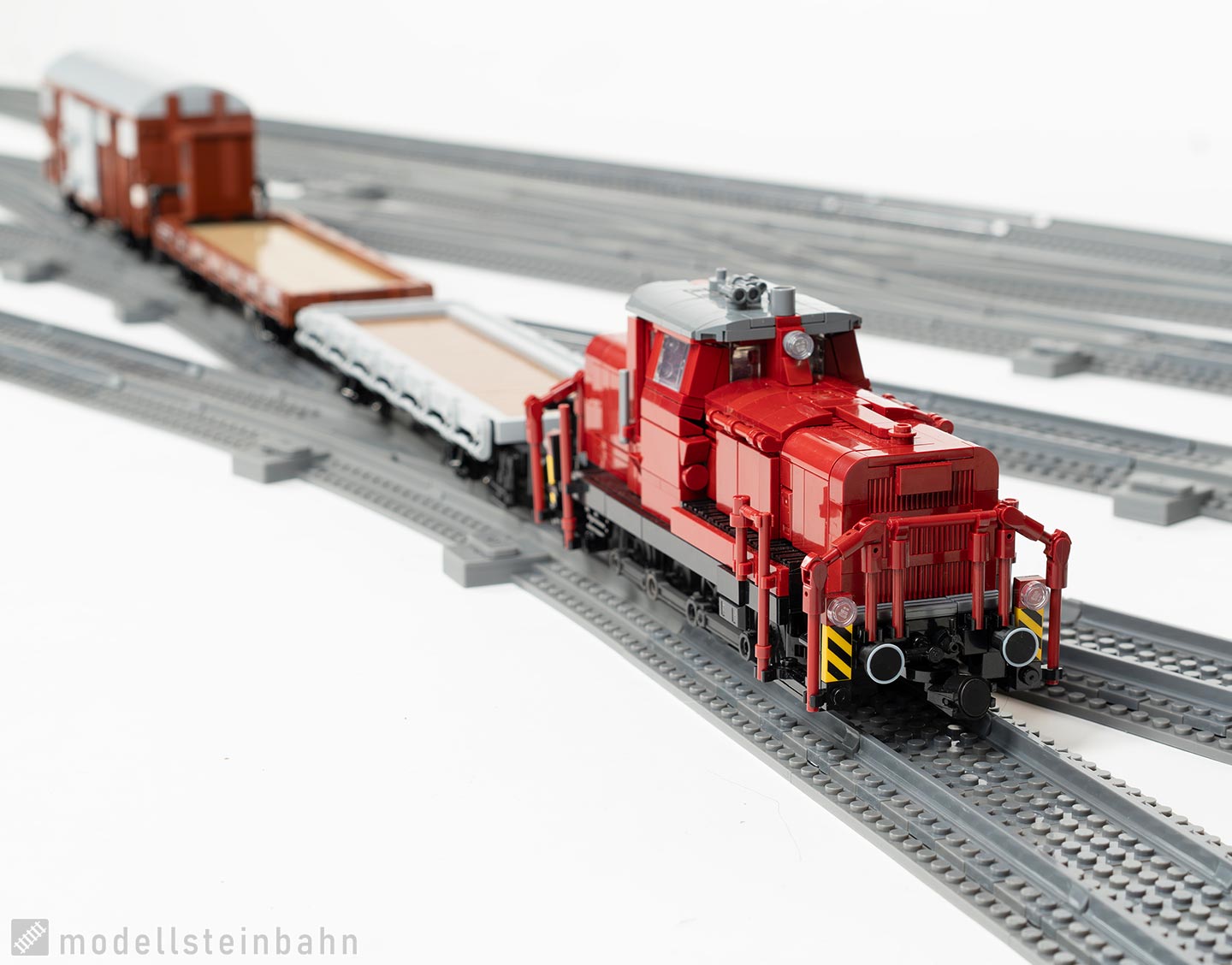
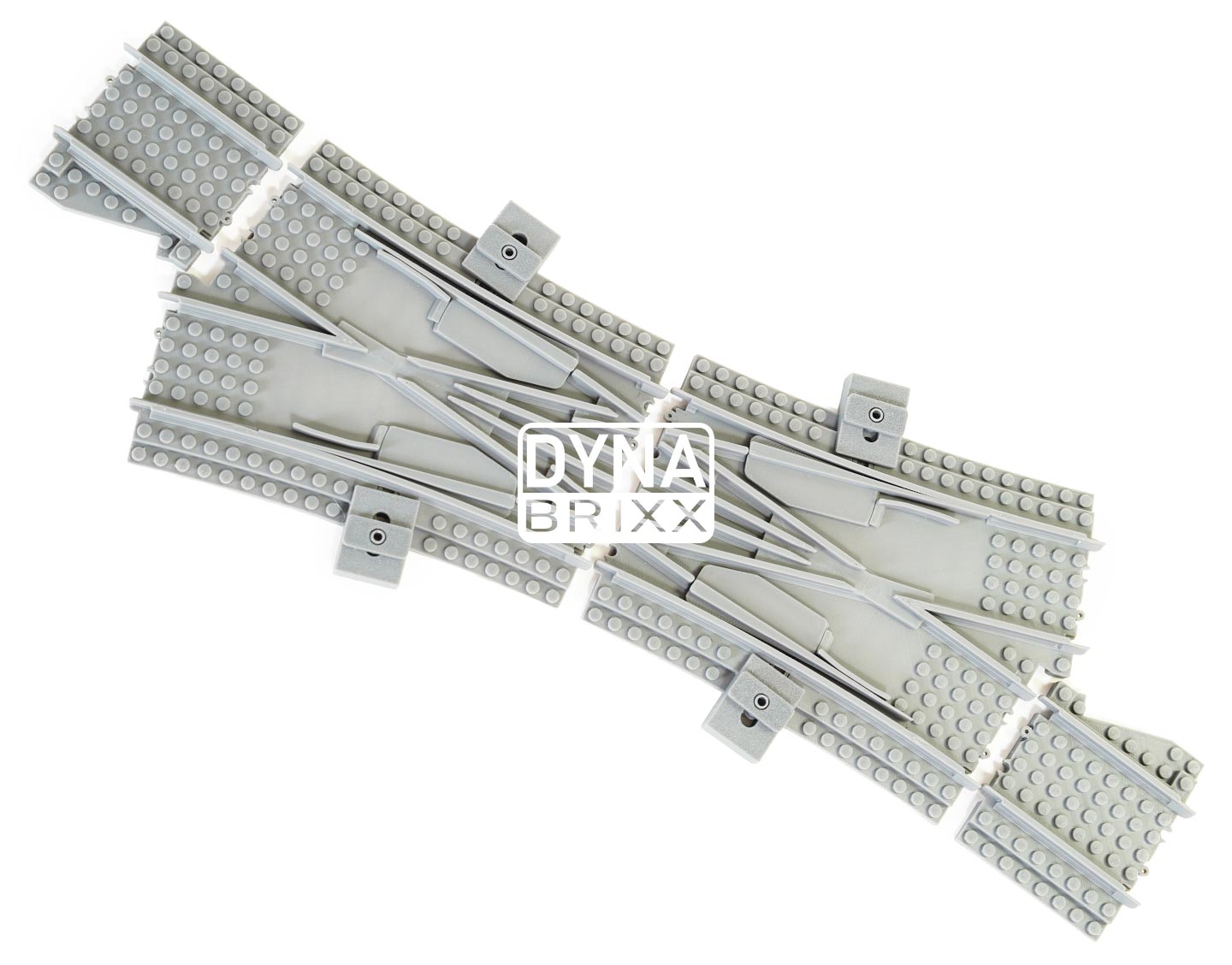
At DYNABRIXX, we create high-quality, 3D-printed tracks and components for your model railway and brick construction projects. Our goal is to produce precisely fitting, visually clean, and durable parts that integrate perfectly into your existing system.
Our products are manufactured using modern printing technology on precise Bambu Lab printers. This allows us to achieve clean details, exact fits, and consistently high quality for every single component.
Not All 3D Printing is the Same
Depending on the application, the right material plays a crucial role. That's why we primarily rely on two proven materials: PLA+ and ABS. Both materials have their own strengths – and that's precisely why we select them to match the respective product and application area – or offer our items in both versions – so you can, for example, choose tracks for your specific application.
PLA+ – Our Recommendation for Most Applications
PLA+ is the first choice for many of our 3D-printed tracks and components. It offers a very good combination of dimensional accuracy, clean surface, and reliable stability. Especially for tracks, a precise fit is particularly important so that your trains run smoothly and the parts integrate neatly into your layout.
Advantages of PLA+
- Very high dimensional accuracy for precise fits
- Smooth surface for good running properties
- Dimensionally stable for normal indoor use
- Clean, uniform appearance
- Ideal for detailed layouts, exhibitions, and indoor setups
PLA+ is particularly well suited for indoor use. However, it is only conditionally suitable for continuously high temperatures or direct sunlight.
ABS – The Robust Alternative for Special Requirements
If components are subjected to heavy use or higher temperatures, ABS may be the better choice. ABS is durable, impact-resistant, and somewhat more flexible than PLA+. This makes it less prone to breaking when parts are heavily stressed.
Advantages of ABS
- Very durable and impact-resistant
- Higher heat resistance than PLA+
- Slightly flexible and therefore more resilient
- Well suited for heavily used systems
- Sensible for warmer environments
Compared to PLA+, ABS is slightly more demanding to manufacture. The surface may appear less smooth, and the optical finesse may be slightly lower depending on the component. However, ABS scores particularly well where robustness and temperature resistance are more important than maximum visual detail.
Which Material is Right?
For most indoor model railway layouts, we recommend PLA+. It offers the best combination of precision, appearance, and reliable function. However, if your layout is subjected to heavier loads or is in a warmer environment, ABS can be a sensible alternative.
Brief Summary
| Material | Recommended for | Special Strengths |
|---|---|---|
| PLA+ | Indoor layouts, exhibitions, detailed setups | Very precise, smooth surface, attractive appearance |
| ABS | Heavily used layouts and warmer environments | Robust, impact-resistant, more heat-resistant |
Precision for Your Construction Project
Whether for expansion, spare parts, or creative redesign: Our 3D-printed tracks and components help you individually expand your construction project and take it to the next level.
Through the combination of modern printing technology, careful material selection, and practical development, we create products that not only look good but also function reliably.
Note on Usage
Our PLA+ products are optimally suited for indoor use. Due to UV radiation and higher temperatures, we recommend not using PLA+ components permanently outdoors or in direct sunlight. For more demanding applications or warmer environments, ABS may be the more suitable choice.
PLA+ is often seen as a more resource-efficient alternative, as it is frequently made from renewable raw materials and requires lower temperatures during the printing process. At the same time, it delivers precise print results and a high-quality surface finish.